That’s Life Anew
WASHLET® and me

Public toilets often fall into disrepair when not used frequently enough. They then in turn lose their value for the city and the people who live in it. The designers and architects of the Tokyo Toilet Project have taken a variety of approaches to combat this trend. In part five of the Tokyo Toilet Project, we explore the ideas that inspired Miles Pennington, NIGO® and Junko Kobayashi to design their unique public toilets.

Miles Pennington – “… With Toilet” in Hatagaya


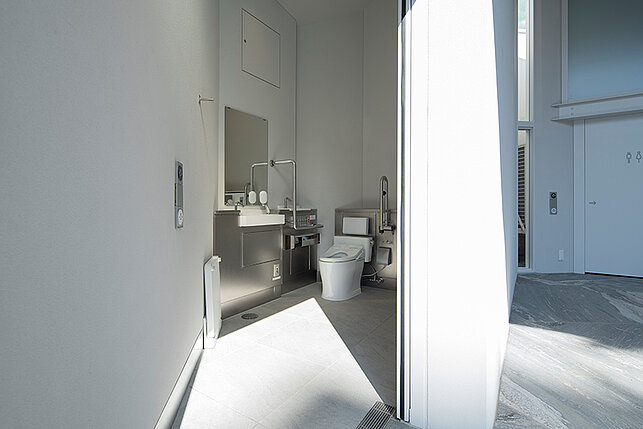
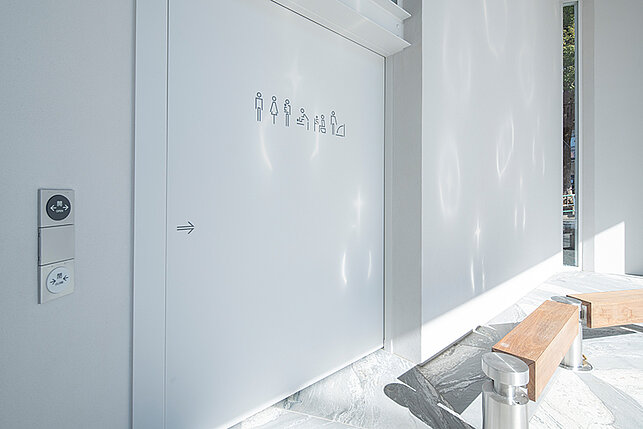
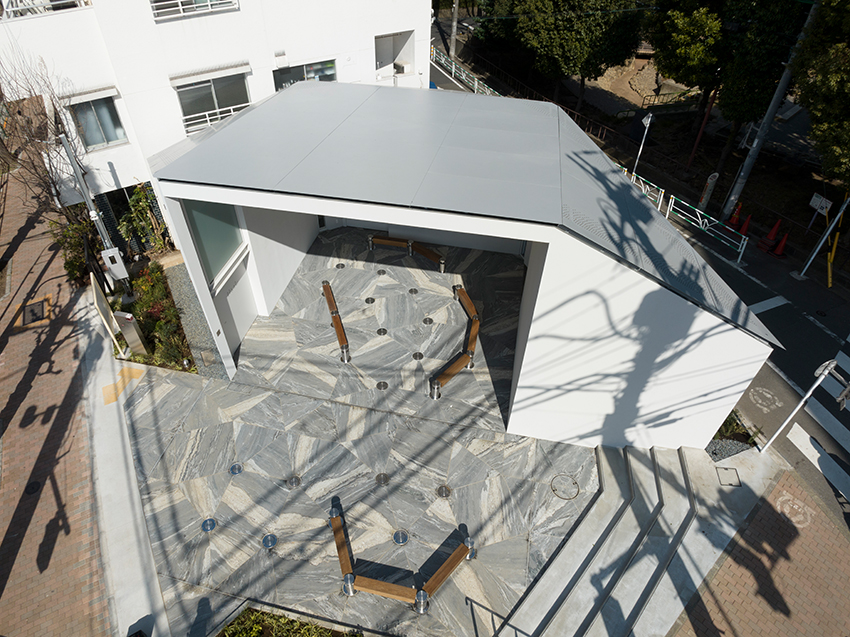
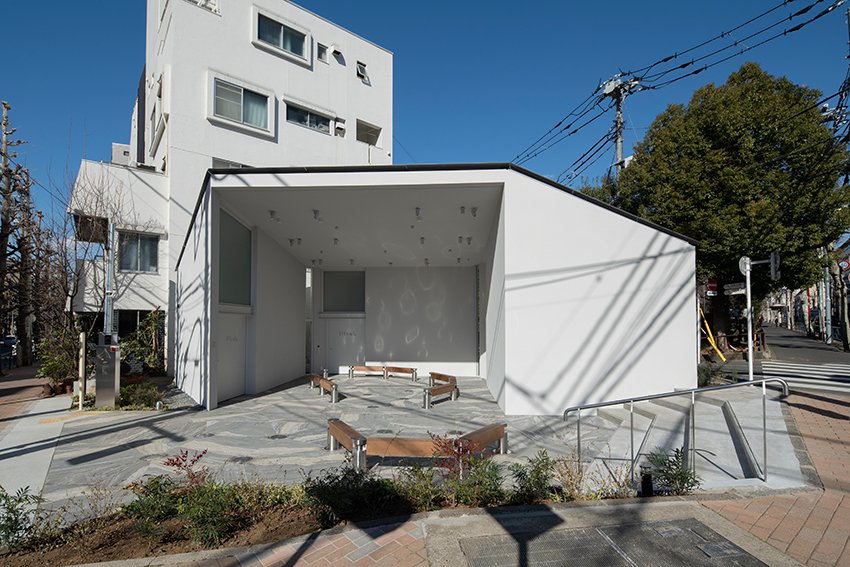
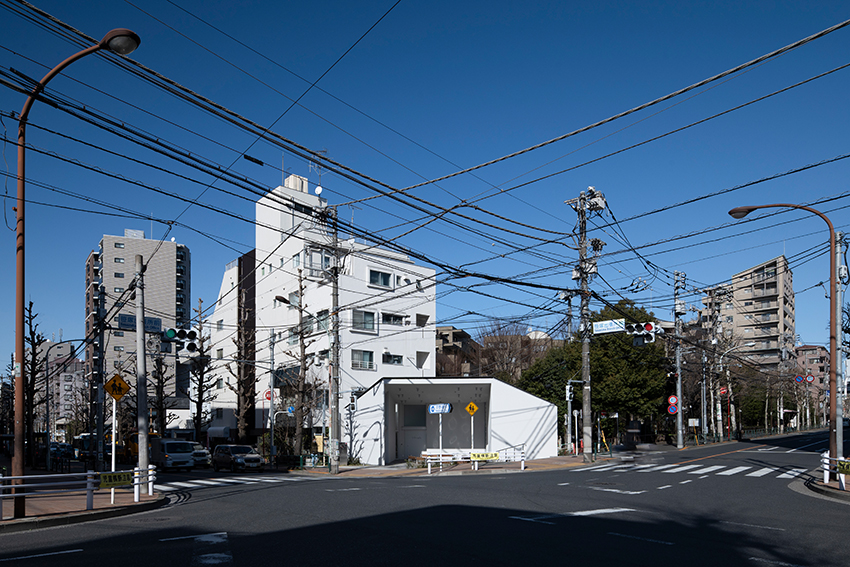
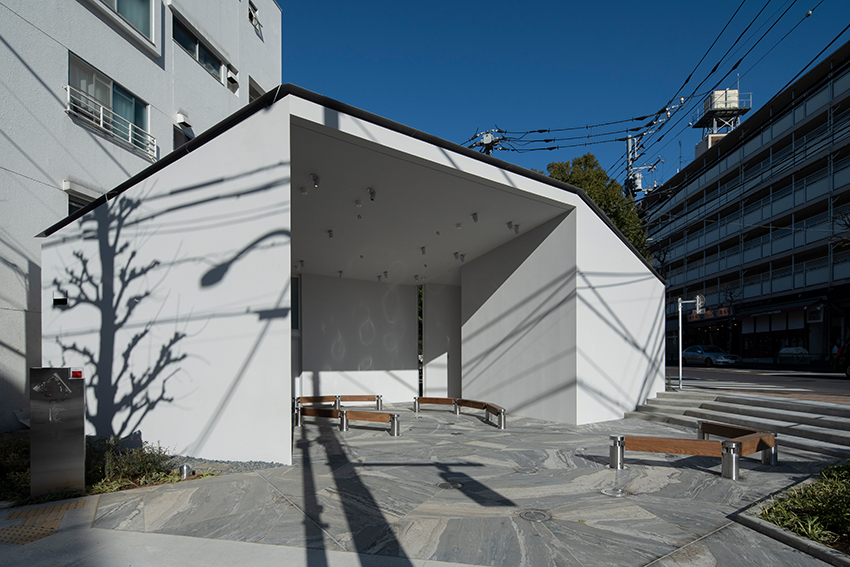
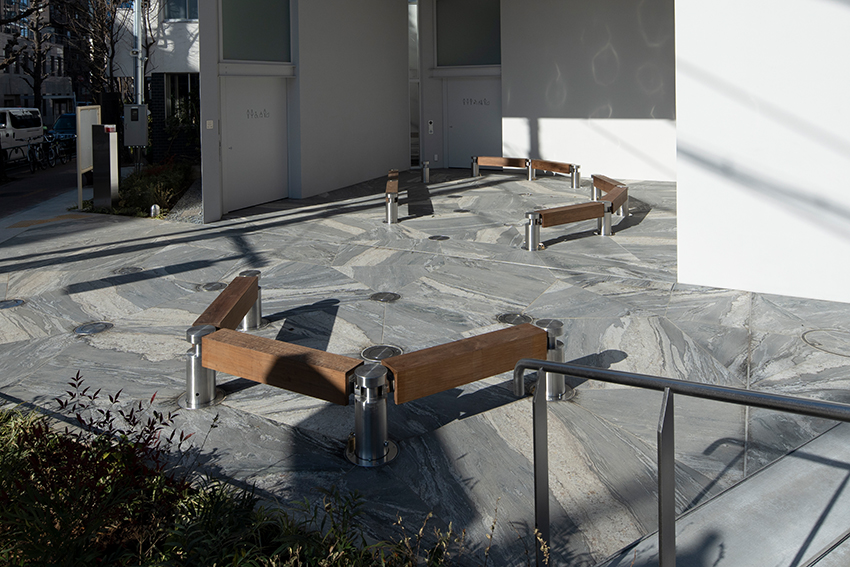
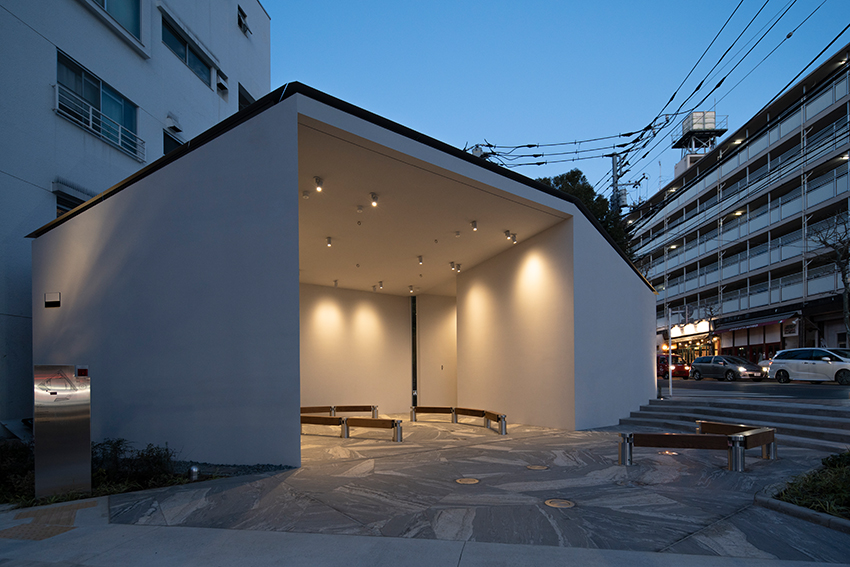
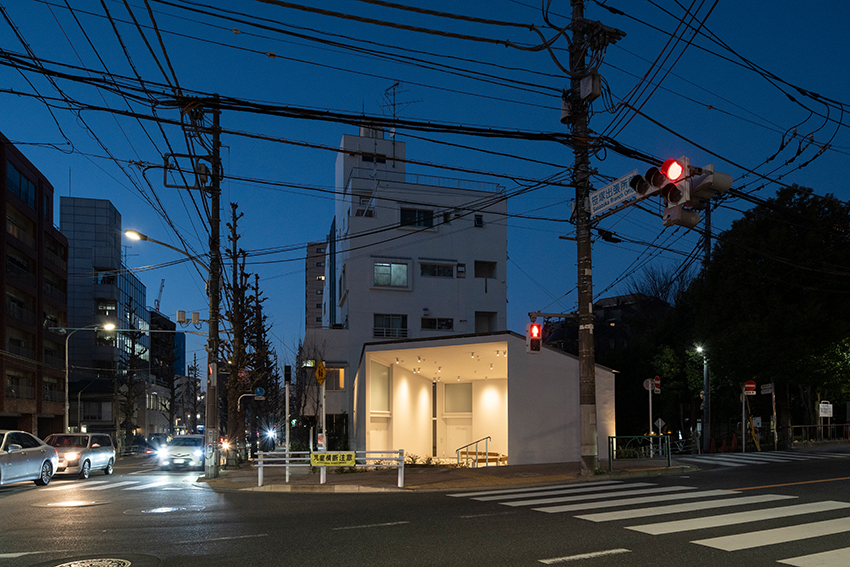
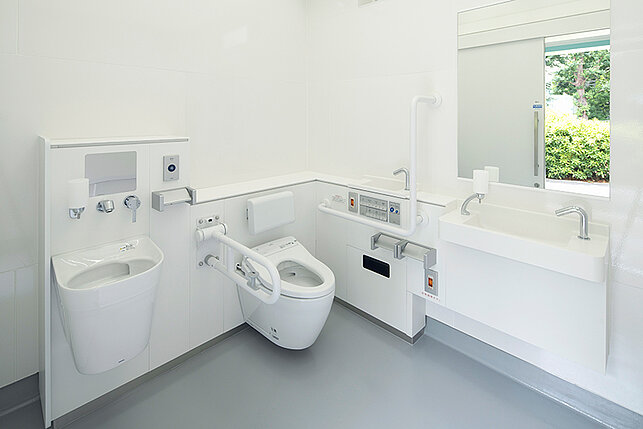
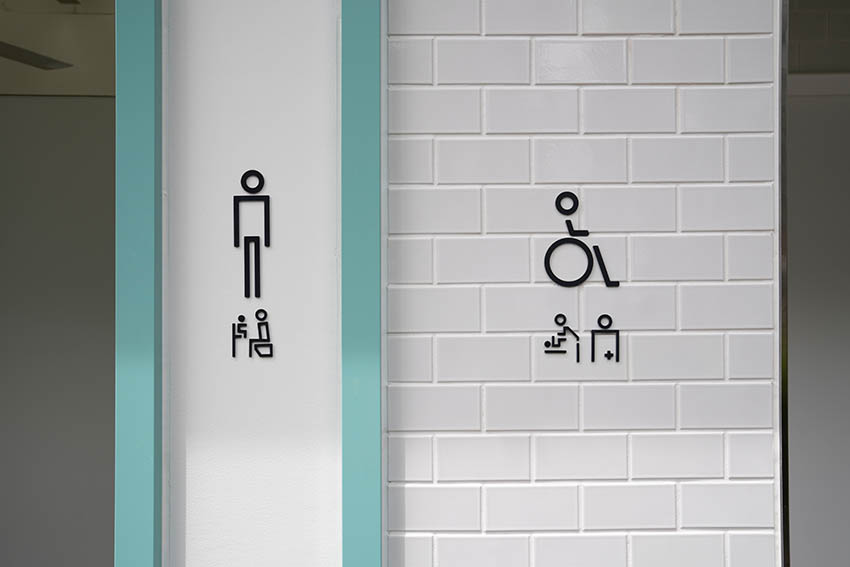
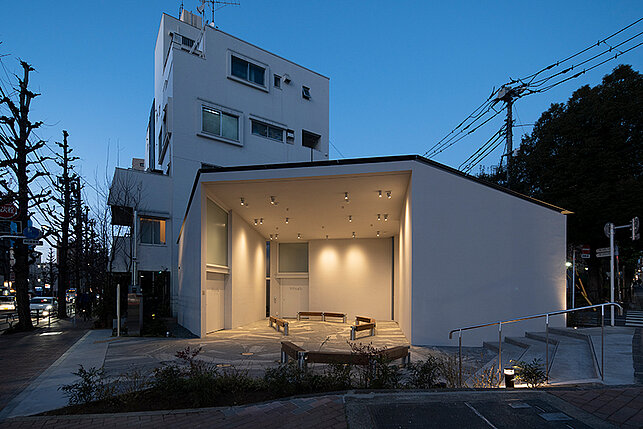
Miles Pennington and the team from UTokyo DLX Design Lab developed "...With Toilet". This public toilet includes an additional functional space that anyone can use for a variety of different purposes. The designers hope that it will play a useful role as a local community hub due to its use as an exhibition space and information centre. 
Hatagaya

To make this second space more usable, the designers installed an original bench with 31 posts that can be raised or lowered to change its shape – allowing it to serve multiple purposes besides a space to sit on while waiting. The toilet stalls are laid out on the three remaining triangular spaces. The space is limited, but Miles Pennington believes that the high, slanted ceiling makes it feel larger than the actual floor space.

Hatagaya

The Hatagaya public toilet is the result of research into design-led innovation conducted by Pennington’s team. They collected ideas by holding workshops with participants of various nationalities, ages and genders. They then collaborated with architectural specialists to give shape to those ideas. Another special feature of the design process for the Hatagaya public toilet was that it included multiple discussions with local residents. 

Hatagaya

NIGO® - “THE HOUSE” in Jingumae


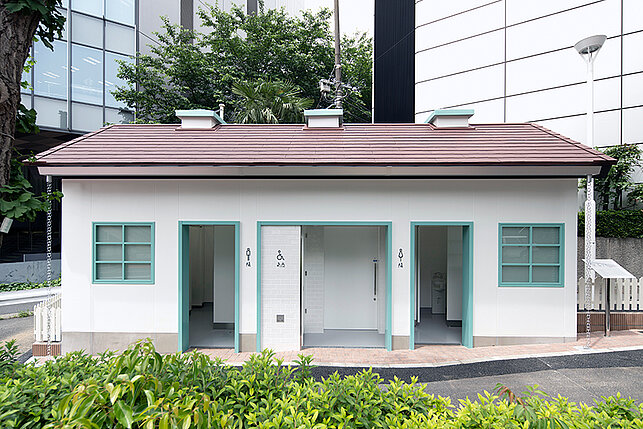
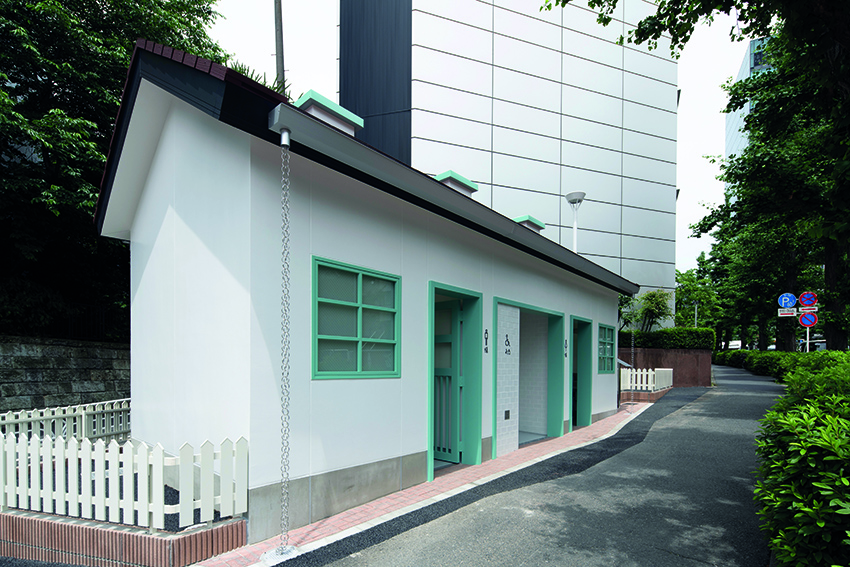
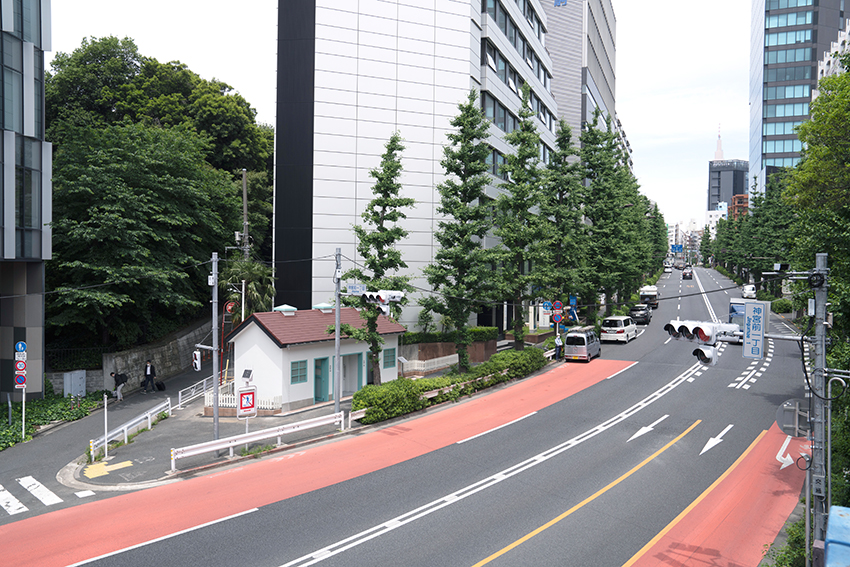
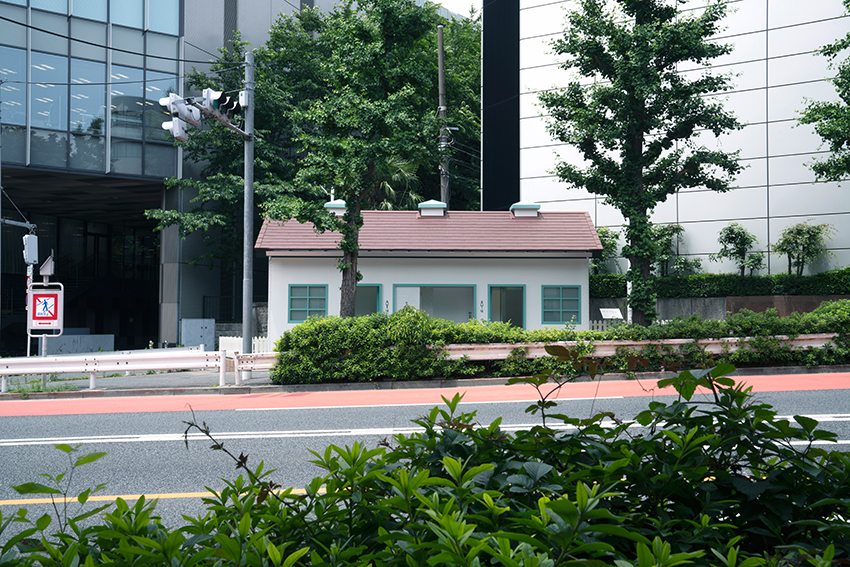
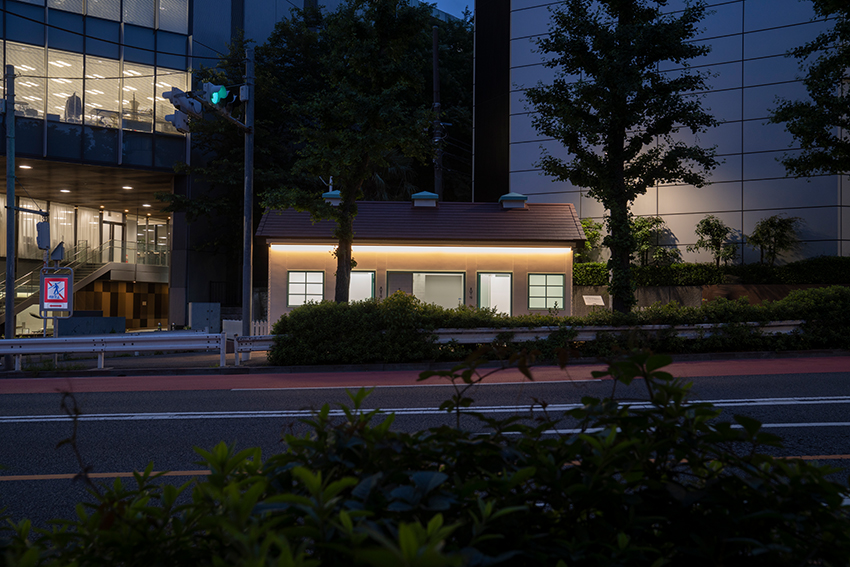
NIGO®’s concept for “THE HOUSE” is about “learning from the past”. First and foremost, he thought about its accessibility and ease of use. In contrast to the everchanging city of Tokyo with many skyscrapers, he envisioned a toilet that feels like a good old home standing quietly on a corner in Harajuku. The toilet may feel nostalgic to some and new to others, depending on their age and generation. 

The design comes from the Washington Heights Dependent Housing Area (housing for the families of U.S. military personnel), built in 1946 in the area that is currently Yoyogi Park. Washington Heights is the place that launched the development of Harajuku into the cultural centre it is today. The Dependent Housing Area had a major effect on postwar changes in lifestyle. Almost all of these houses are now gone. NIGO® tried to design a duplicate of one of these homes to preserve this disappearing design in Harajuku – an area he loves.

Jingumae

The building looks like a welcoming house in which people feel comfortable. He and his team achieved this by paying attention to small details, like doors that open inward, so they always look open and inviting, as well as a fence styled like a simple garden fence.

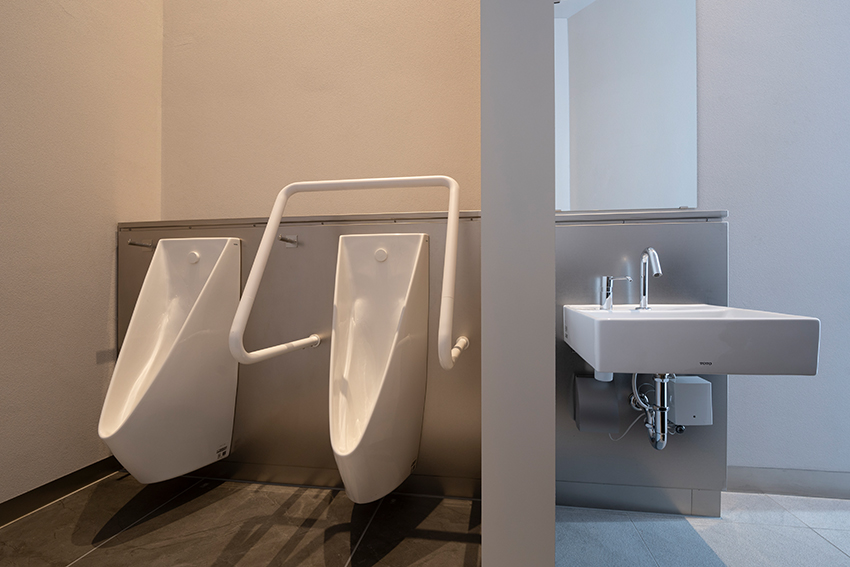
NIGO® was careful to include hygiene in the design. He created a large sink area including contactless faucets. He believes that the public toilet is a place where people can help each other. 

Jingumae

Junko Kobayashi – “Toilet of town lights” on Sasazuka Greenway


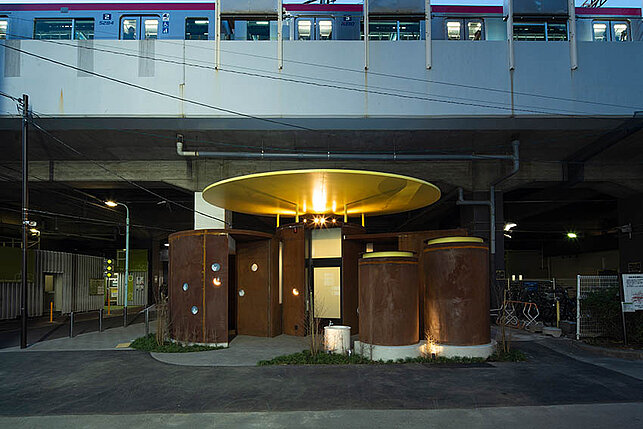
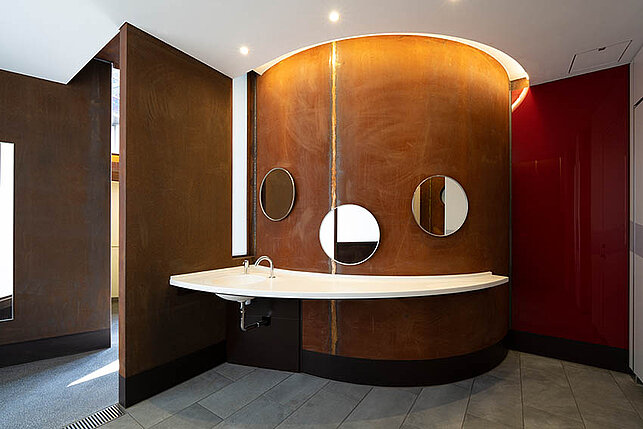
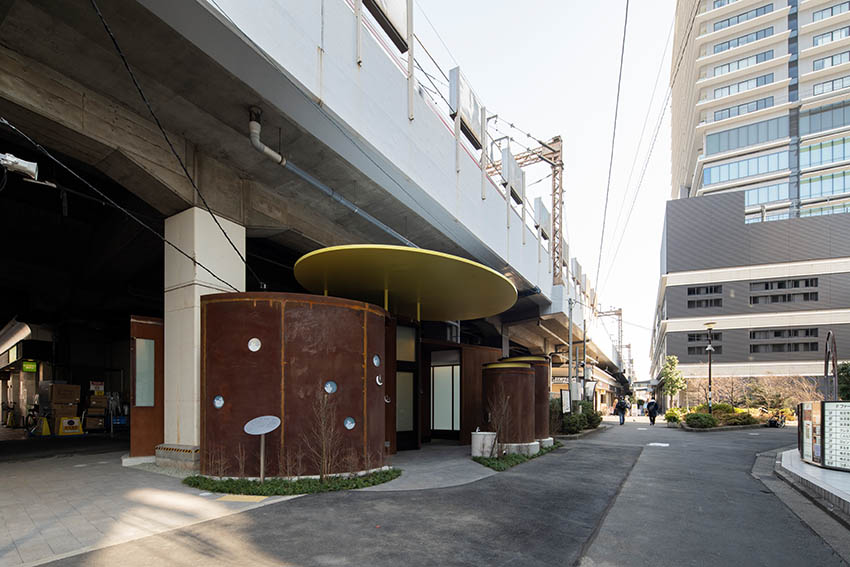
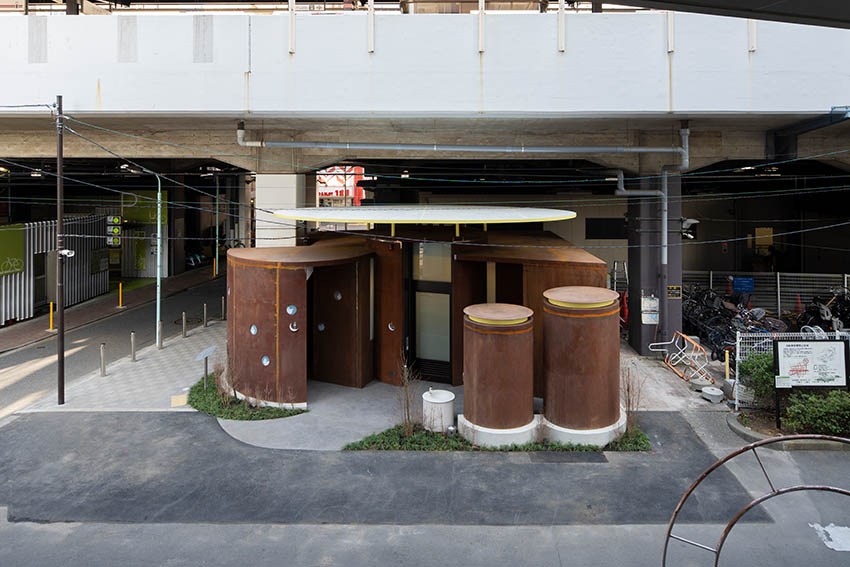
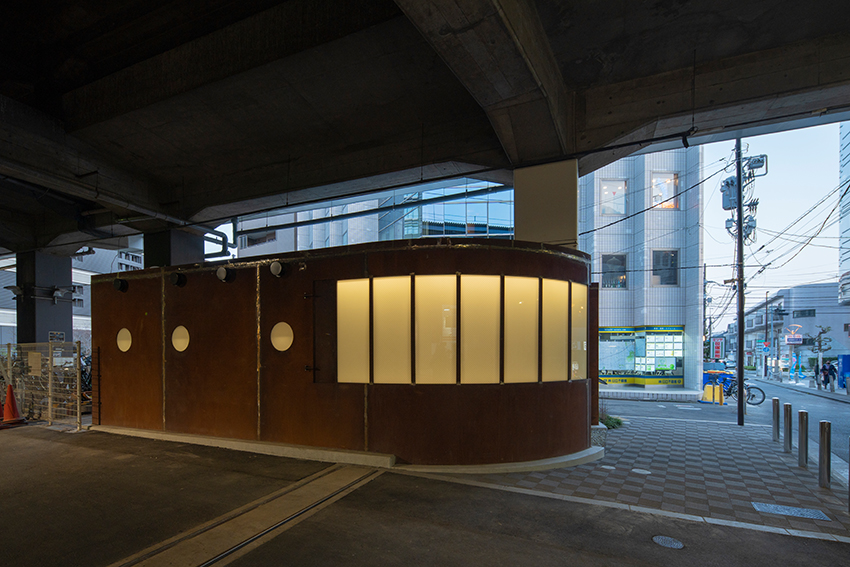
The location, near Sasazuka Station on the Keio train line, had some construction restrictions due to the pillars anchored in the ground to support the railway that runs overhead, and a water main along the south side of the site. The material used for the structure is called COR-TEN steel. Junko Kobayashi chose these highly durable steel panels because they can be assembled without cranes or heavy machinery and reduce the weight of the structure.

Junko Kobayashi

The materials and structure were chosen because of these restrictions, but the steel panels also have the advantage of being able to be shaped into curves. This was not the original shape that Kobayashi had in mind, though. She started with a flat plan with a universal toilet in the middle, a men’s and women’s toilet on each side, and an easily accessible booth for children next to the sidewalk. When she and her team started to assemble the panels according to this plan, a cute shape began to emerge reminiscent of a fairy tale.

Sasazuka Greenway

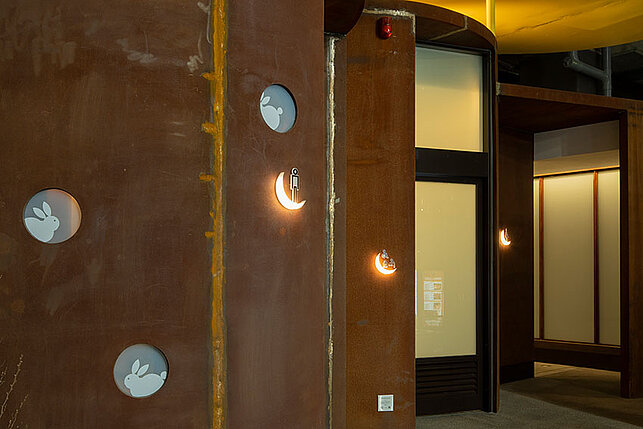
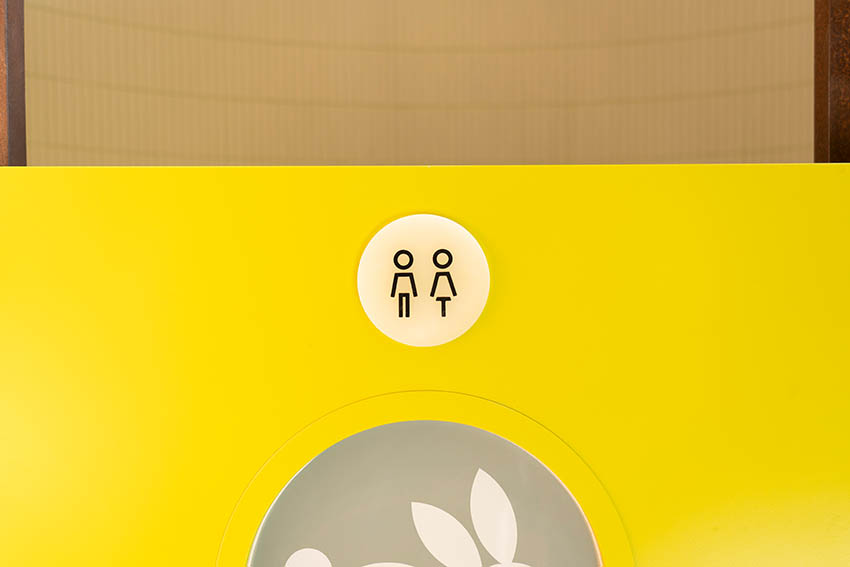
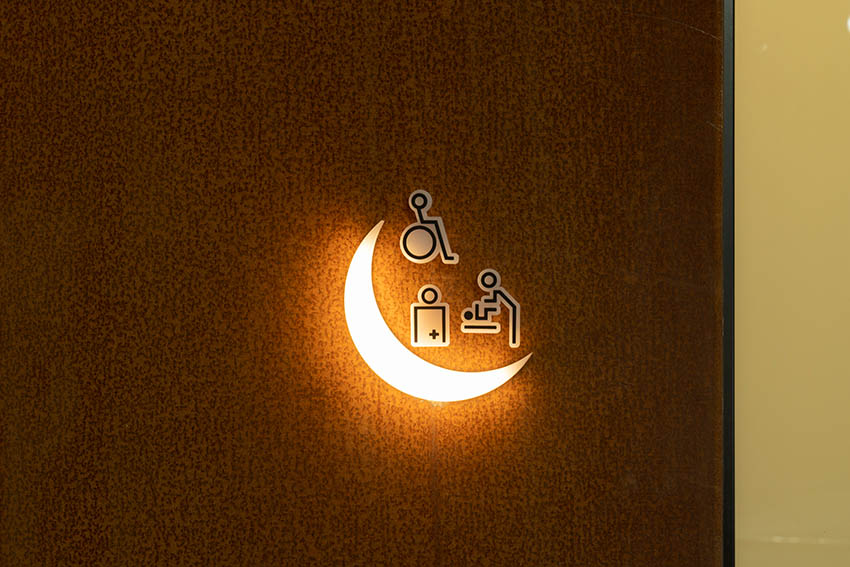
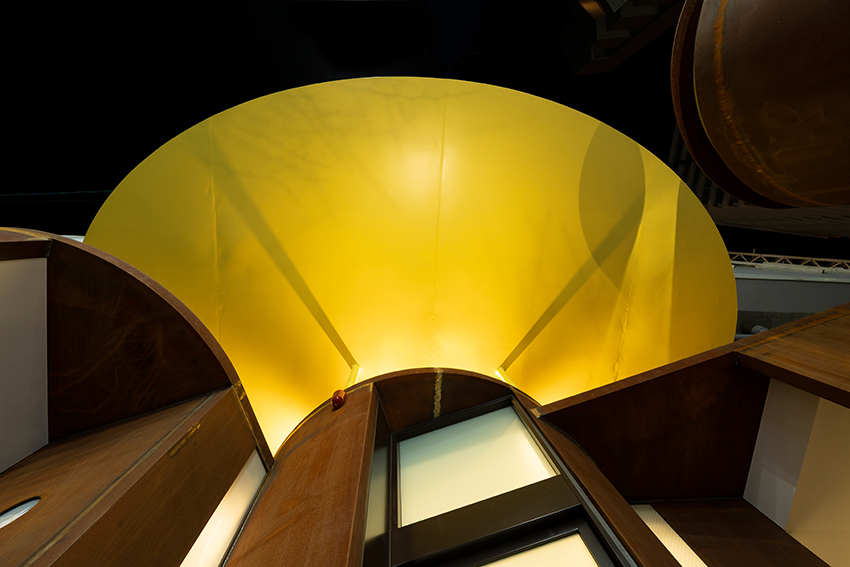
Because it is a toilet, ease of use and safety are top priorities. The team also placed a large, round eave above the structures as a “second sky”. People have said that the roof’s yellow colour makes it look like the moon. There are also rabbits looking out from the windows – illustrations created by graphic designer Tetsuya Ota. The sidewalk next to the facility is part of a walking course used by a local preschool. Junko Kobayashi hopes that these children will enjoy using the toilet. 

Sasazuka Greenway

Junko Kobayashi has been designing toilets for many years and believes that the true merits of a public toilet emerge after 30 or 40 years. She and her team purposely exposed the COR-TEN steel panels to rust so that they will remain durable for many years while developing an attractive colour that will become deeper and darker over time. As time passes, it will increasingly blend into its surroundings. 

Sasazuka Greenway
Anja Giersiepen

An article by

Anja Giersiepen

Senior Manager Marketing

What do you think?

( 0 comments )

Icon Speech

We look forward to hearing from you!

The title of your comment
This name appears in the blog
Not published


*Required field

Share

Share