That’s Life Anew
WASHLET® and me

Inclusivity, safety and cleanliness: These three words played a major role for Nao Tamura and Marc Newson when designing their Tokyo Toilets in Higashi Sanchome and Urasando – but their interpretations couldn’t be more different. Here’s a glimpse into what inspired the designs of these public toilets.

Nao Tamura – Higashi Sanchome


The toilet is a place where we address physical needs that everyone has – whatever their age, sexual identity, nationality, religion or skin colour. How can a communal space like a public toilet evolve to effectively accommodate our infinitely diverse needs in an age of increasing awareness? 

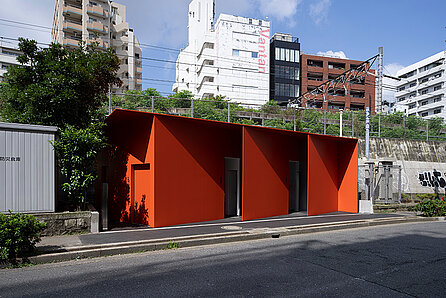
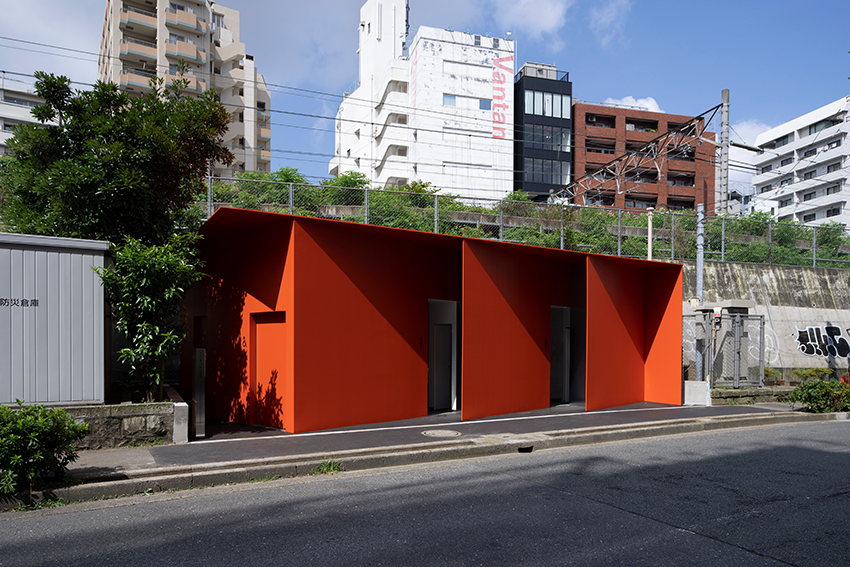
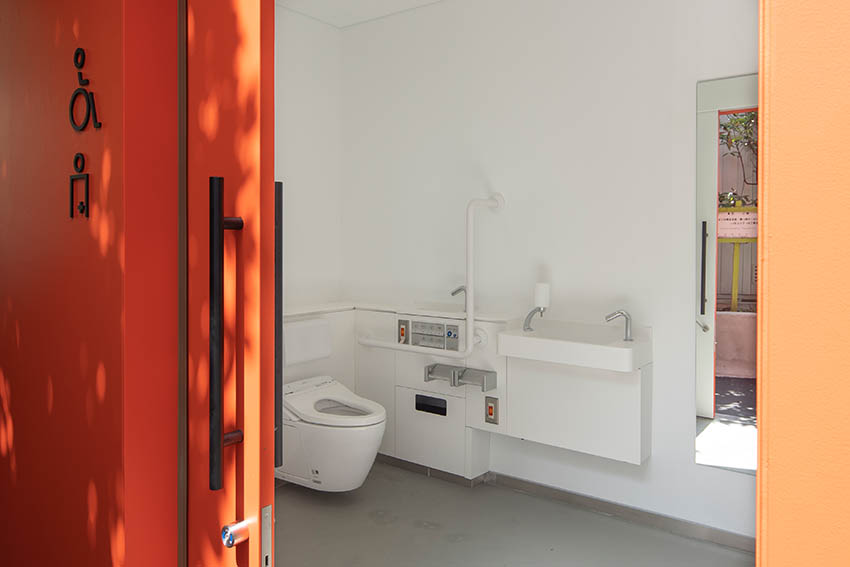
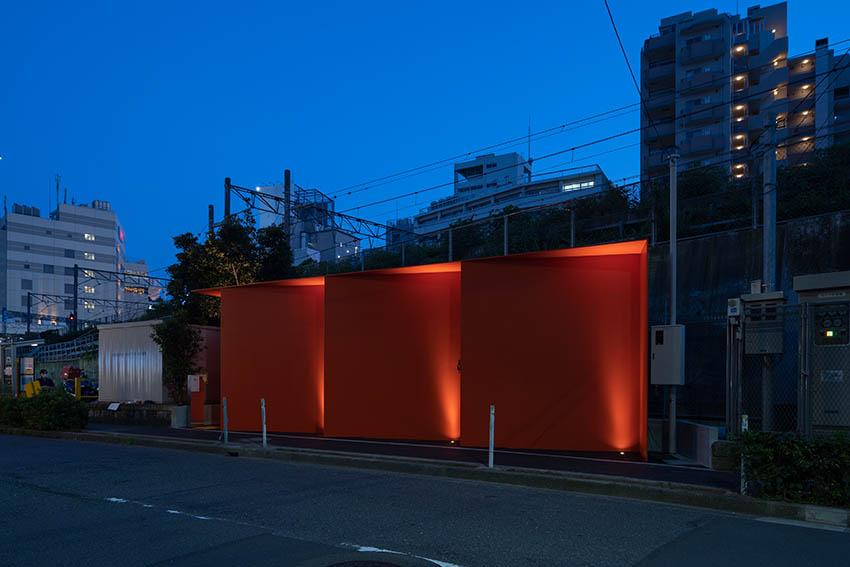
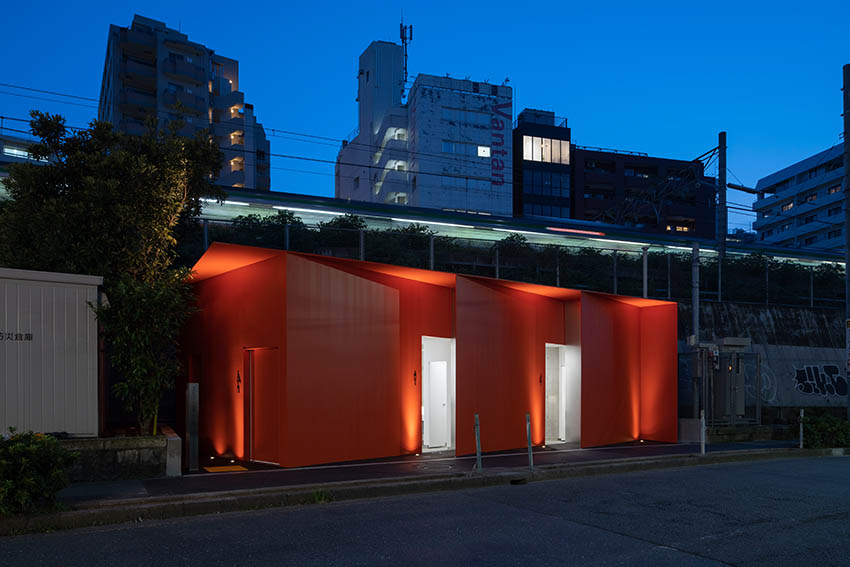
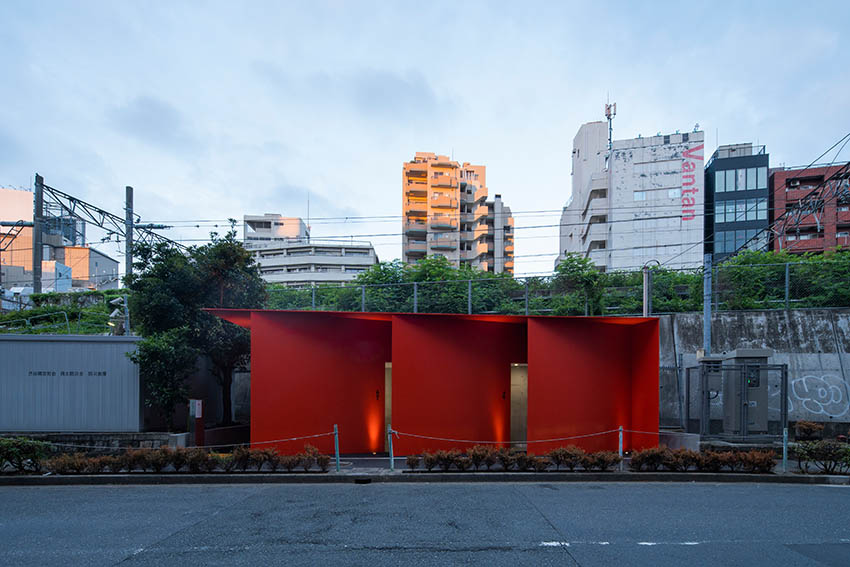
A resident of New York, Nao Tamura has had the privilege to see how the LGBTQ+ community lives in alignment with their sexual identities. As she designed this public toilet on a small triangular lot in Shibuya, she imagined a society that embraces the LGBTQ+ community and holds space for them to live their truth. She realised that what gives each user a comfortable experience comes down to safety, privacy and urgency. With this in mind, she designed three separate spaces that redefined the way a public toilet establishes personal space.

Higashi Sanchome

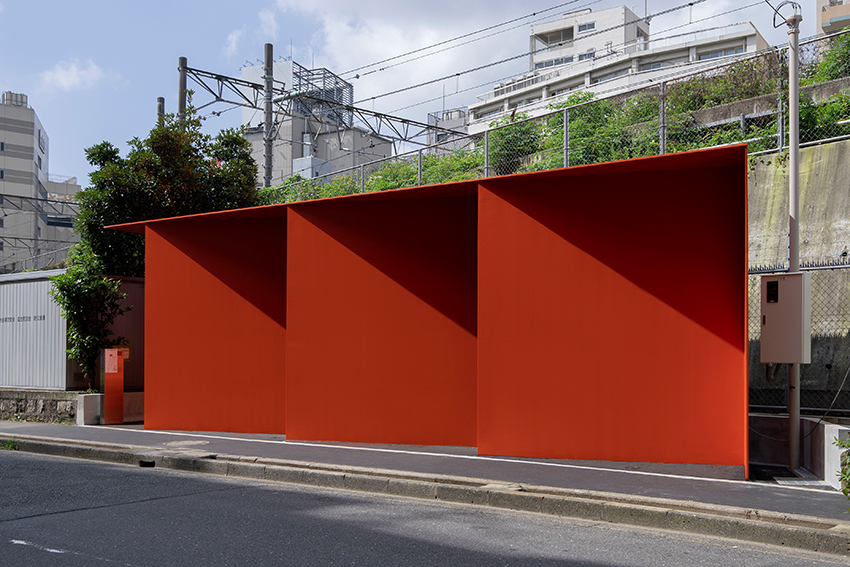
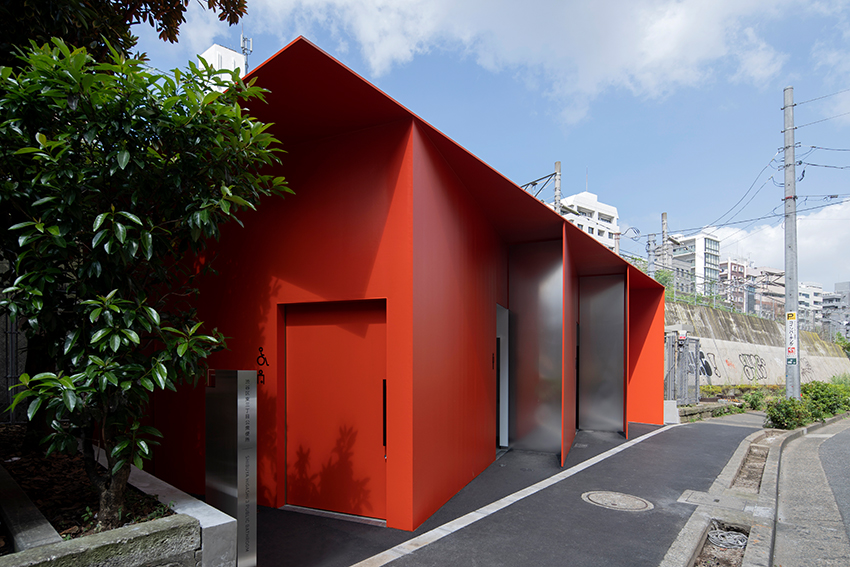
When she saw the lot for the first time, she thought of a triangular gap in the middle of the city. Her design was inspired by origata, a traditional Japanese method of decorative wrapping paper that is also the basis for origami. She decided to create a geometric space reminiscent of folded paper. 

Higashi Sanchome

Presenting a gift wrapped in paper is a pure, polite gesture that conveys a feeling of respect. Nao Tamura wanted the toilet to be a place that is just as pure and welcoming, with mutual respect. She used thin sheets of metal for the walls and ceiling that looked like folded paper to create a space that feels like origata instead of being physically thick and massive.


Red is a colour that stands out in a cluttered and busy environment, clearly showing where the toilet is located. It also warns people who could be experiencing stress. 

Nao Tamura thinks that many people may be too stressed or afraid to use a public toilet at night or when no one is around. Unfortunately, toilets are also places where people commit crimes. Safety and privacy are the most important aspects of a public toilet. Nao Tamura hopes that this red colour prevents impulsive crimes and helps the people who use the toilet feel safe and secure.

Marc Newson

Marc Newson – Urasando


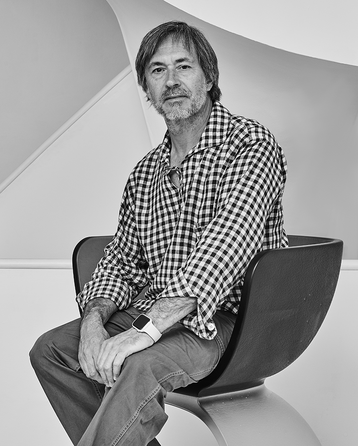
Marc Newson found the Tokyo Toilet Project to be a truly amazing undertaking. He’s certain that this will be the first time that many people will want to use a public toilet – whether they live in Japan or not. Some people might even visit THE TOKYO TOILETs to learn more about the culture, architecture and design. He believes that this project elevates the significance of public toilets and is also very important to the ward of Shibuya.


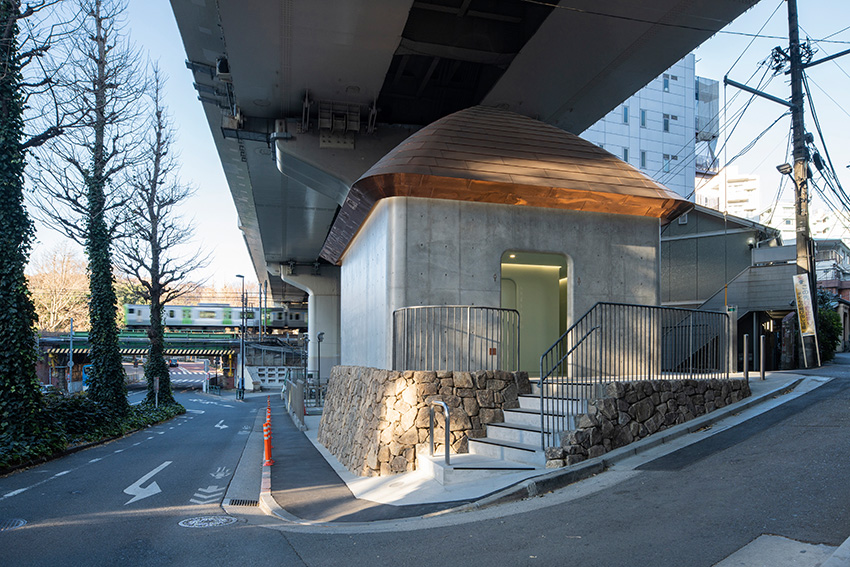
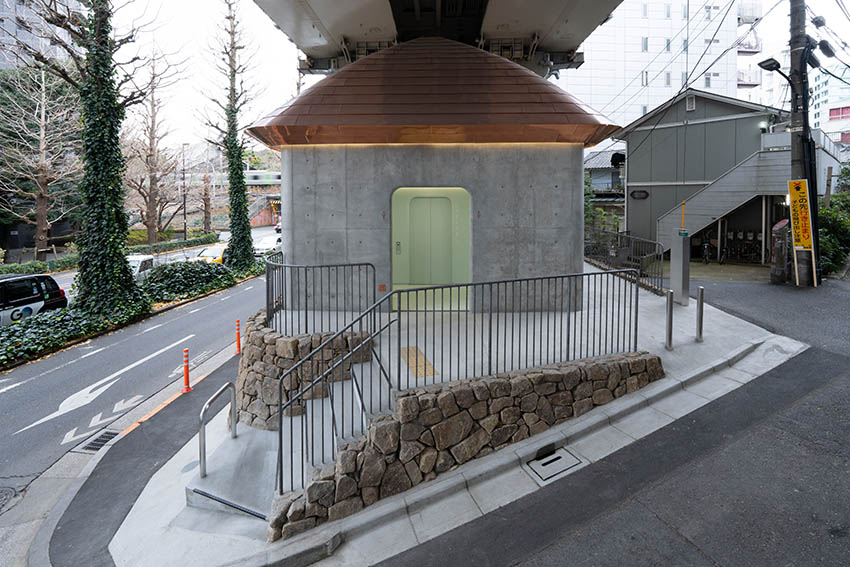
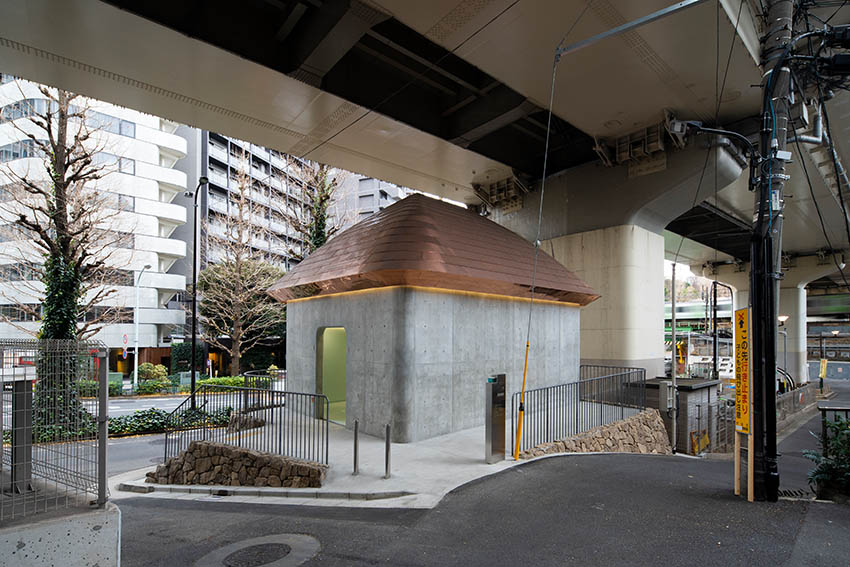
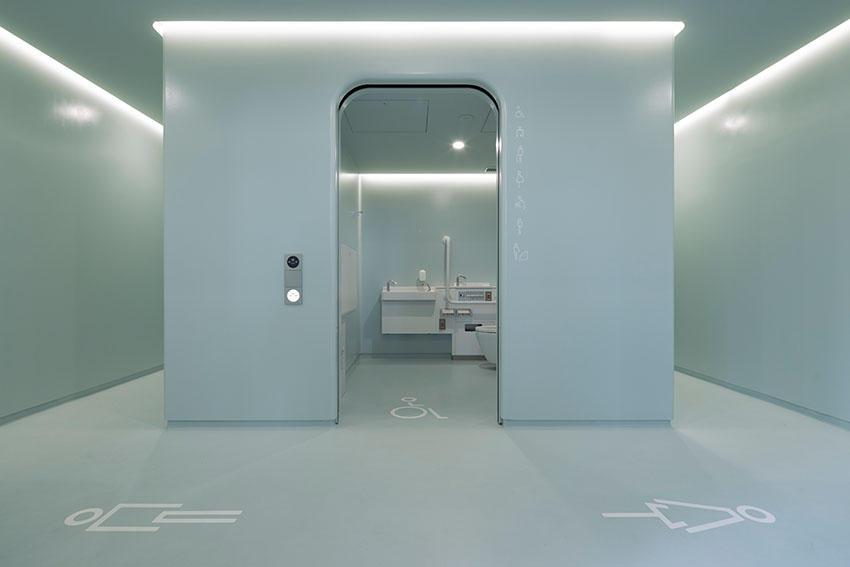
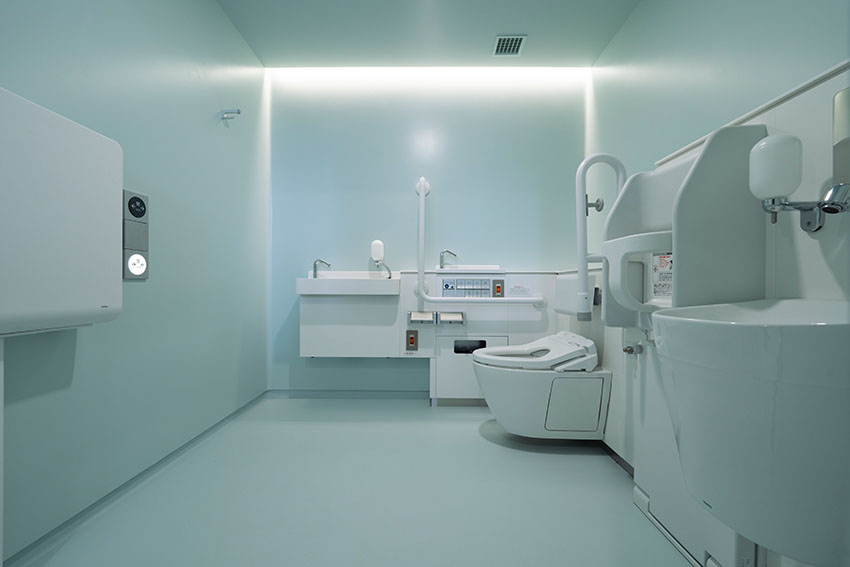
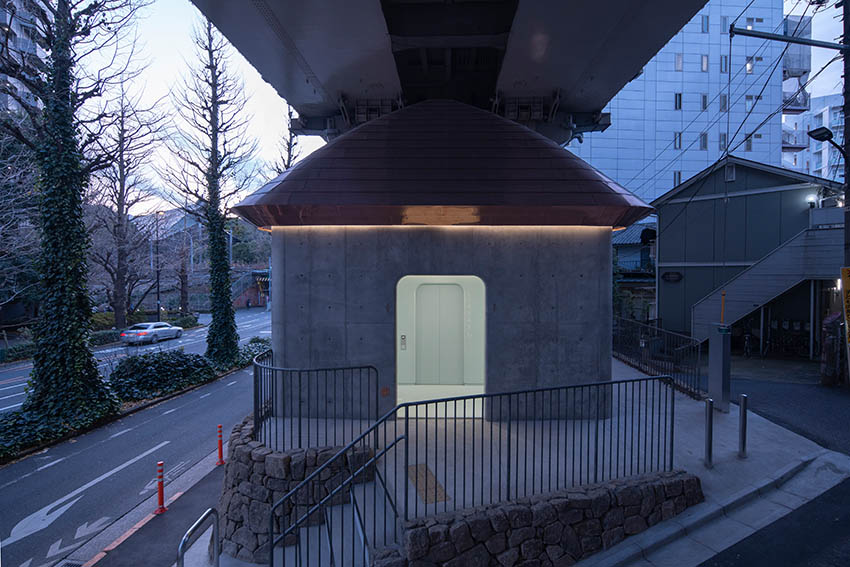
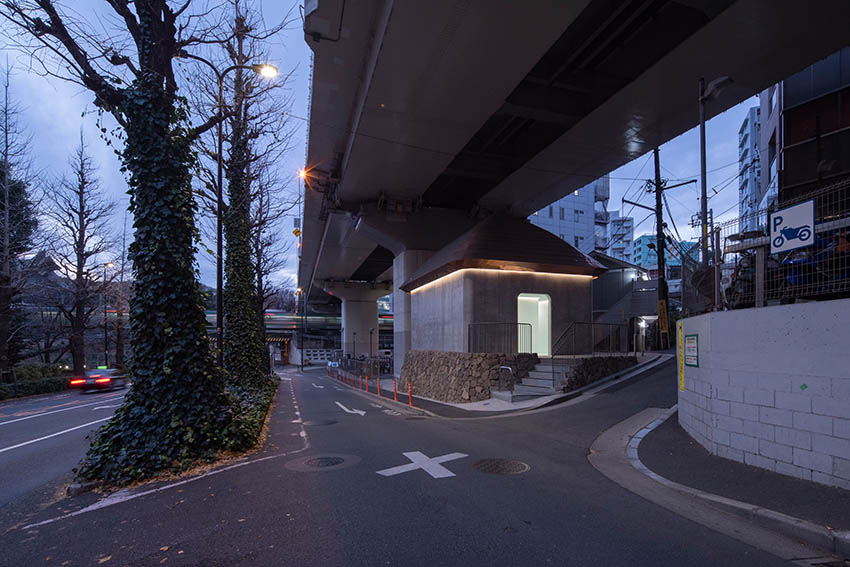
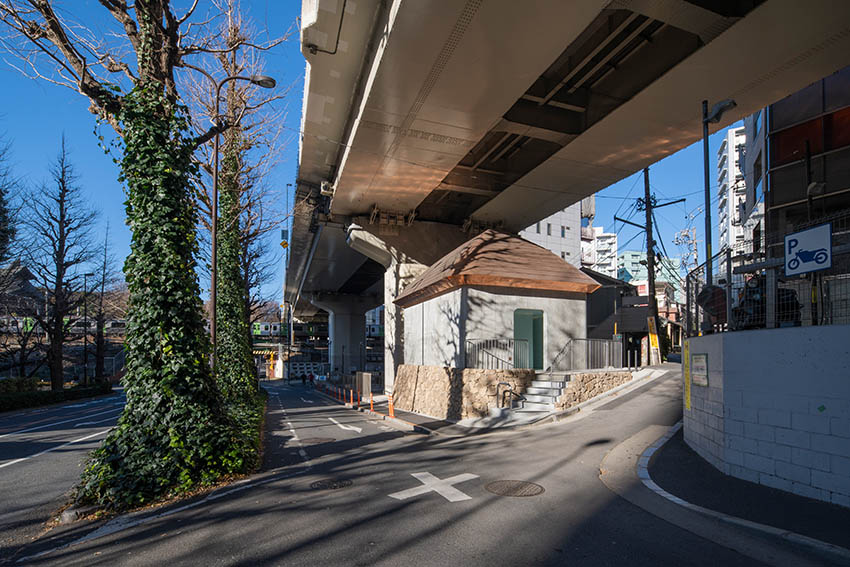
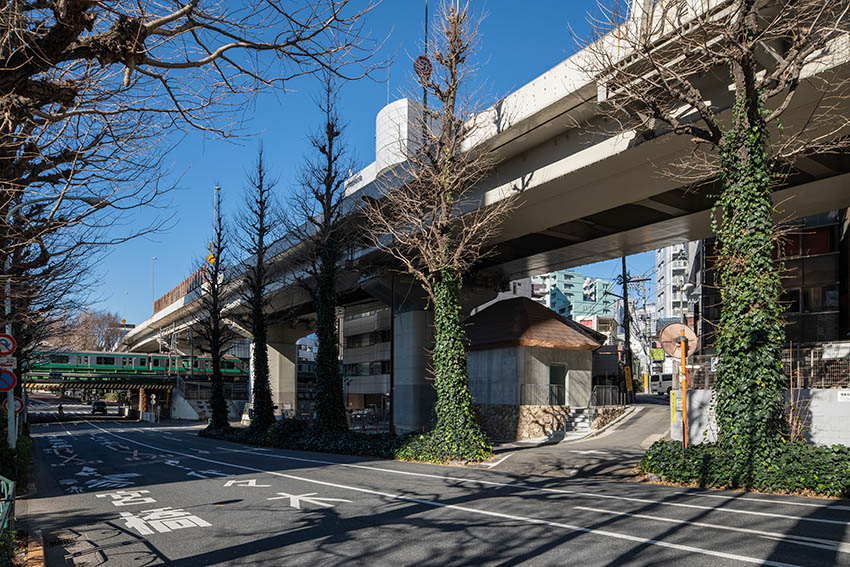
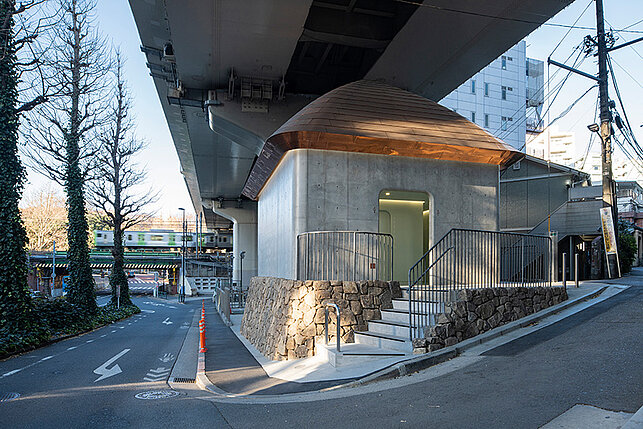
With uneven topography located below the Shuto motorway overpass, the conditions at the public toilet construction site in Urasando were difficult. It was necessary to accommodate all functionalities in a relatively small space dedicated to a specific purpose – a task similar to designing a product. The process of incorporating a series of technological elements in a public toilet space also has parallels to industrial design. After designing several airplane cabins over the course of his career, Newson found some similarities in designing this public toilet

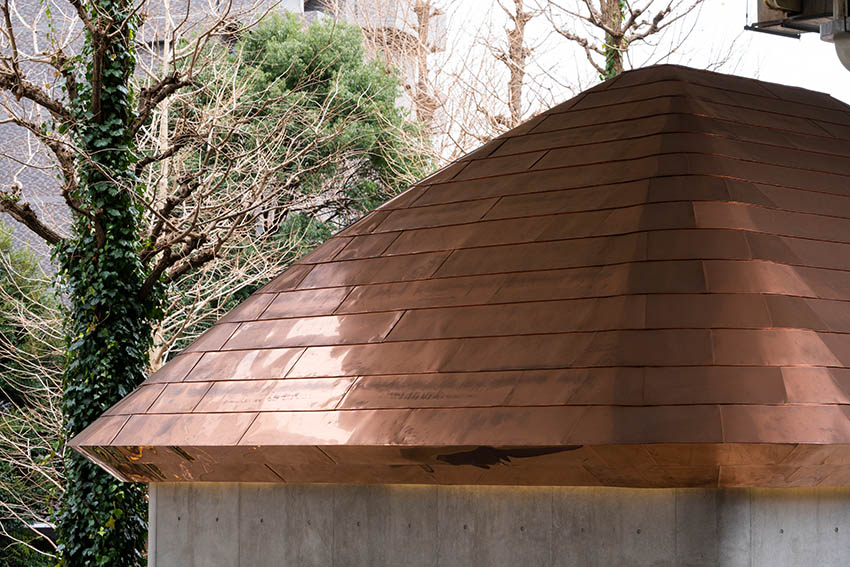
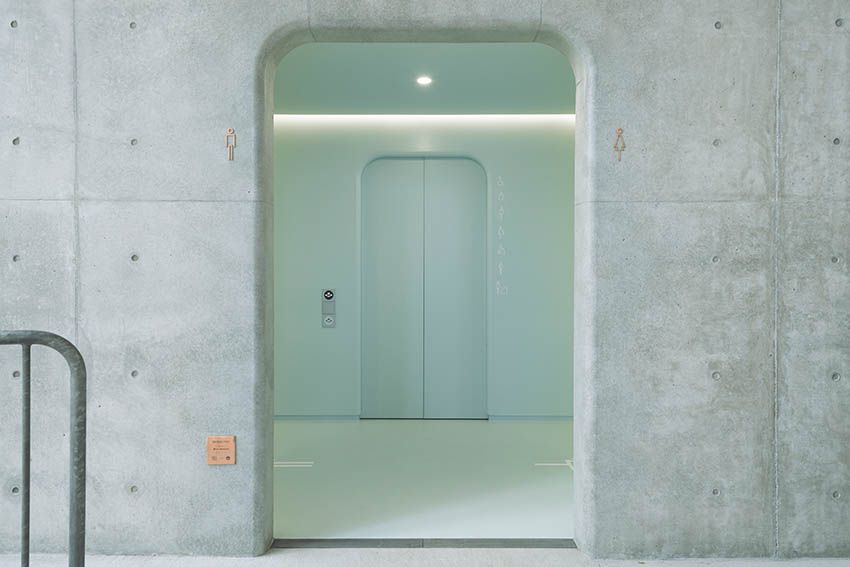
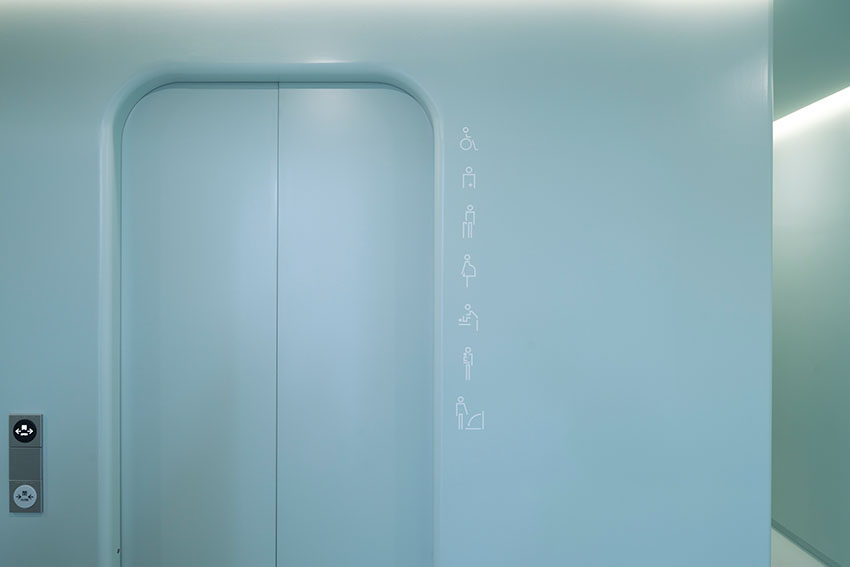
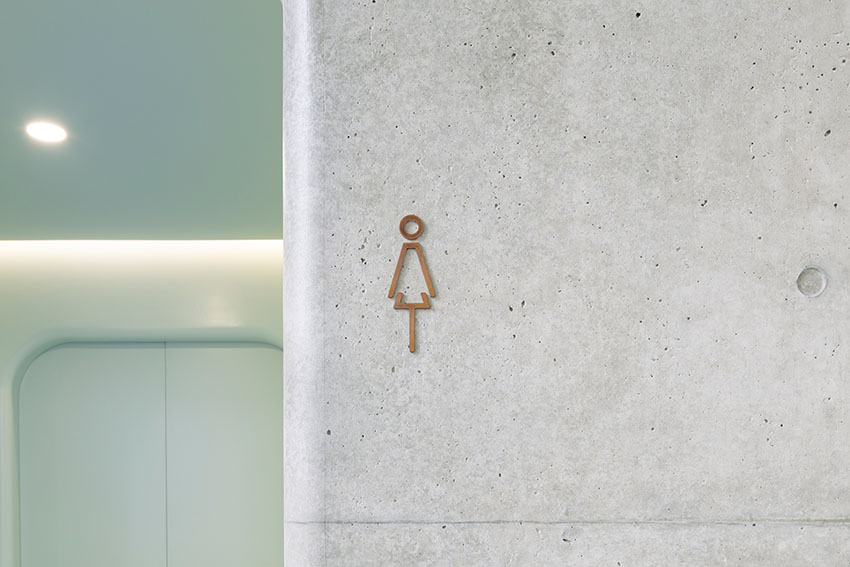
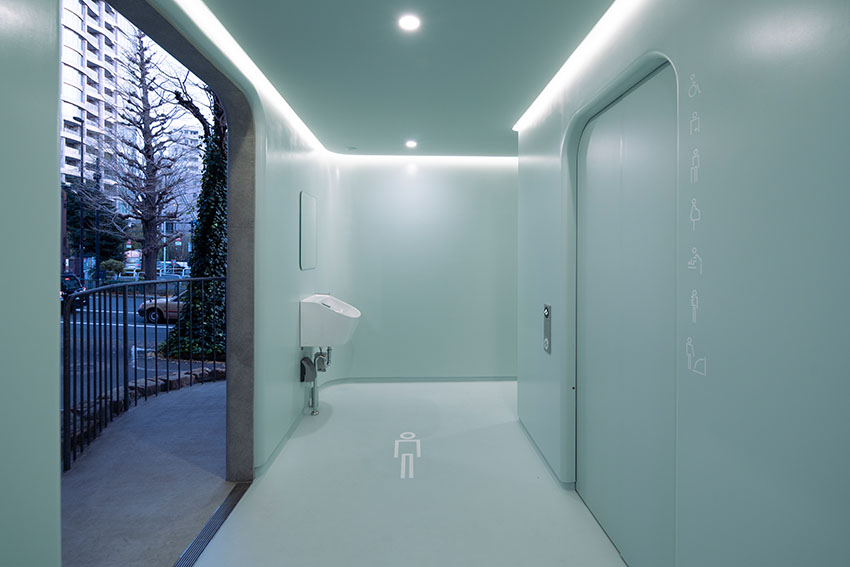
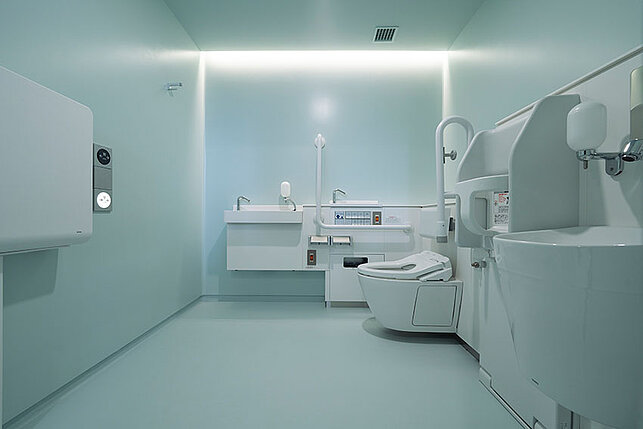
The copper Minoko roof and other elements described in the concept make reference to traditional Japanese architecture, which was a main source of inspiration for Newson. In fact, he spent a great deal of time working in Japan and maintained close ties to the country for many years. The copper roof is one of the artisanal building techniques he often admired in Japan. Newson used it to create a building that would become more and more beautiful over time. The patina will lend the structure character over time. After many years, it will look like a small monument. The stone wall is also reminiscent of traditional Japanese exterior architecture, which he thinks will complement the industrial interior design over time. Seamless and hygienic, the bright interior is monochromatic green – one of Newson’s favourite colours.
Urasando

Newson decided to use concrete as a characteristically Japanese material for the building exterior. Today, Japanese builders employ concrete in very sophisticated ways in the city’s buildings, revealing wonderful qualities – a unique and ideal approach to working with this material as compared to other countries. The main structure is made of concrete, creating a permanent space that blends effortlessly into its surroundings. Newson believes that this material will be an integral part of Japan’s contemporary landscape.


Marc Newson is convinced that Japan is the only place on earth where people could realise an initiative like The Tokyo Toilet today. 

Urasando
Anja Giersiepen

An article by

Anja Giersiepen

Senior Manager Marketing

What do you think?

( 0 comments )

Icon Speech

We look forward to hearing from you!

The title of your comment
This name appears in the blog
Not published


*Required field

Share

Share