That’s Life Anew
WASHLET® and me

Bath & Wellness
|16/04/2026
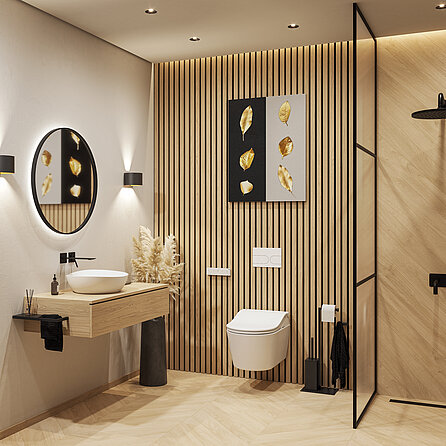
When some of us think of Japan today, we might imagine images of bright city lights, cherry blossoms – and also high-tech toilets. The country is known the world over for their advanced toilet technologies. But how did a simple outhouse evolve to a wellness oasis?
The history of the toilet in Japan is similar to European developments – but reflects the country’s own technological, hygienic and cultural milestones.
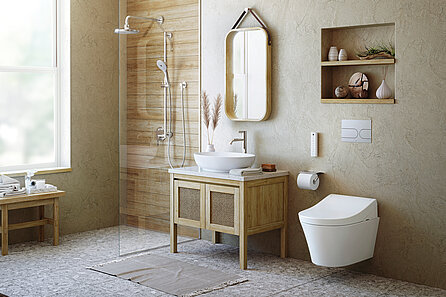
Larger Japanese settlements had simple sewage systems most likely connected to toilets as early as the Yayoi period (around 300 BC to 250 AD). The Nara period (710-784) saw the construction of the first drainage systems in the capital city, featuring channels measuring 10 to 15 cm wide. People would squat over them to use the water toilets. At the same time, people were also building structures over open pits – the earliest forms of the outhouse. Without soft tissue paper at their disposal, personal hygiene solutions initially included seaweed and later wooden sticks (chūgi), some of which archaeologists have preserved until today.
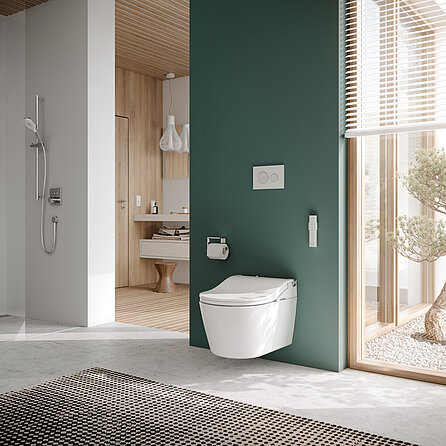
The Edo period (1603–1868) saw a dramatic transformation, with people frequently using simple wooden huts over pit latrines to “do their business”. But the economic value of excrement was an interesting aspect of this era: People systematically collected it for use as fertiliser in agriculture. As a result, Japan had relatively high standards of hygiene during this time compared to Europe. Gentler approaches to personal hygiene emerged, including toilet paper made of traditional washi paper. Residents of mountain regions continued using wood shavings and leaves for this purpose.
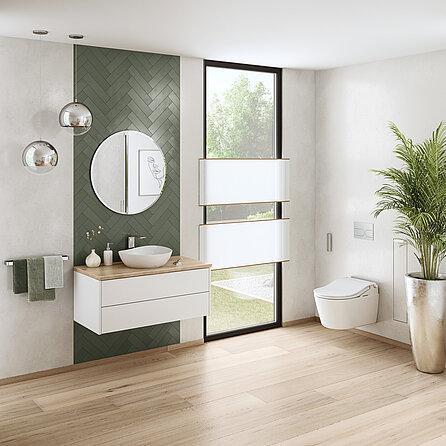
Construction on the modern urban sewage system started in 1884 with the first walled stretch in Tokyo’s Kanda district. Expansion advanced quickly in an attempt to reduce the risk of epidemics following the devastating Kantō earthquake of 1923. When the first Western-style sitting toilets arrived in Japan in the early 20th century, they initially remained the minority – growing in popularity more quickly during the American occupation after 1945. Ultimately, the year 1977 saw a turning point in everyday culture: For the first time, sales of Western-style sitting toilets exceeded traditional squat toilets.
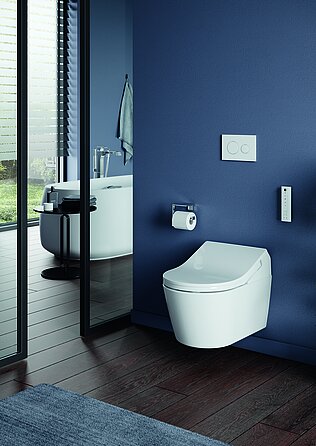
After travelling to the West, Kazuchika Okura founded Tōyō Tōki (today’s TOTO) in 1917. Here, he started establishing Western-style ceramic toilets nationwide – laying an important foundation for the future developments. But the technological breakthrough didn’t come until 1980, the year TOTO brought “WASHLET” to market – a revolutionary combination of toilet and bidet with warm water cleansing. This marked the beginning of the age of high-tech toilets.
These modern bidet toilets from TOTO, known under the brand name WASHLET, fully revolutionised personal hygiene. WASHLET evolved to become more technologically sophisticated over time, adding more comfort and hygiene features like the odour filter, dryer, heated seat, PREMIST and EWATER+.
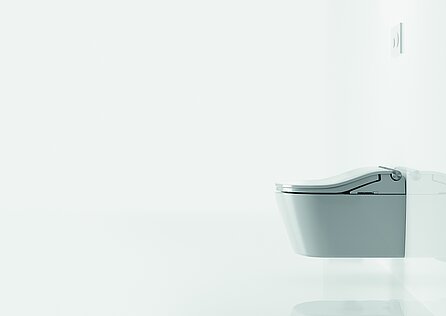
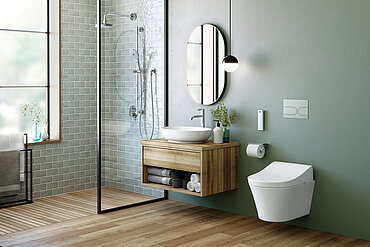
The success of the bidet toilet was unstoppable. Buzz around the product grew so rapidly that around 75% of private homes in Japan have a bidet toilet today. They’re also in use in public areas throughout Japan – standard in public restrooms and WCs on Japanese airlines, in the Shinkansen high-speed train, as well as most hotels. Instead of being a mere necessity, today’s bathrooms are home to comfort technologies and a strong awareness of hygiene. While internationally considered a characteristically Japanese innovation, WASHLET has since become an increasingly popular feature in German bathrooms as well.


Share


What do you think?
( 0 comments )
We look forward to hearing from you!